Tampilkan postingan dengan label Africa. Tampilkan semua postingan
Tampilkan postingan dengan label Africa. Tampilkan semua postingan
Rabu, 05 Oktober 2016
Video: Nat Geo Tells Us Why it is so Hard to Catch Poachers
As the world's population of elephants and rhinos wanes dramatically, many countries across the globe have stepped up their efforts to combat poaching in Africa and elsewhere. This is a battle that has been raging for sometime however, and yet we continue to hear how poaching is having a dramatic impact on the number of these creatures that roam the wild. Why is it so hard to stop these illegal activities? In this video from National Geographic Live, Naftali Honig – founder of the EAGLE Network – tells us why it is so hard to bring these people to justice.

Rabu, 28 September 2016
British Explorer Walking the Length of the Zambezi River in Africa
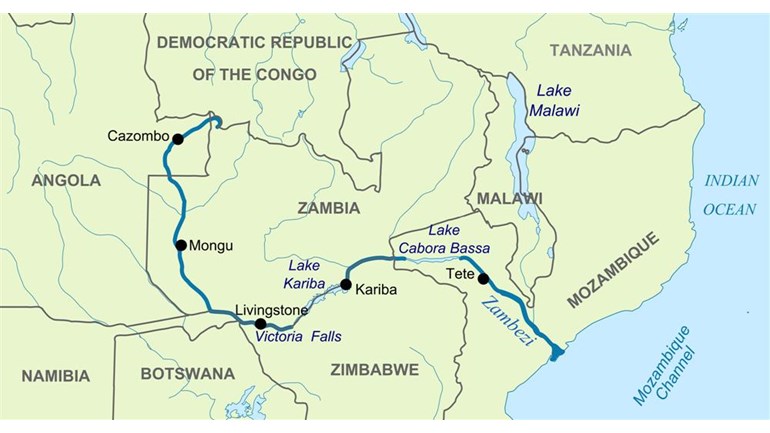
Powell set out on what he calls The Wildest Journey last month, and has been making steady progress so far. In fact, just a few days back he posted that he had completed 1000 km (621 miles), which is about a third of the way towards the finish line. Along the way he has faced difficult weather conditions – including heat and humidity – , rough terrain, wild animals, and health issues, mainly due to dehydration and exhaustion. But, he has also trekked through some of the most remote and seldom visited sections of Africa, all the while sharing the experience on the expedition's Facebook page. That is a great place to get updates on his progress and see what it is like for him as he marches through this section of the world.
Chaz says that he expect the journey to take about six months to complete, and judging by his pace right now I'd say that he is pretty much on schedule to finish in that amount of time. That means he should reach the Indian Ocean sometime in early February, barring any unforeseen circumstances. Considering the challenges he faces along the way, injury or illness are certainly not out of the question, as is succumbing to exhaustion, equipment failure, or lack of supplies. So far however, he's been able to overcome or avoid those issues, and is pressing onward.
While The Wildest Journey is indeed quite an adventurous undertaking, Powell isn't doing it just for the safe of the journey alone. He's also using the expedition as a platform to raise funds for the David Sheperd Wildlife Foundation, an organization that is dedicated to saving endangered species in Asia and Africa. You can donate to that cause here.
Good luck to Chaz on the rest of his journey. I'll be following along with his progress and keeping tabs of how he's doing. Hopefully he'll reach the Indian Ocean safely and on schedule.
Senin, 19 September 2016
Video: Meet the World's First All-Female Anti-Poaching Team
The Balule Nature Reserve in South Africa a team of women called the Black Mambas has been training for the past three years to combat illegal poaching in the region. They are the first all-female squad to take on such a mission, with their main goal being to protect the wild elephants that roam the area. In this video, brought to us by National Geographic, we join the Mambas as they go out on patrol, searching for the hunters who are looking to kill the animals in the preserve where they work. The short film is an inspiring look at this team of dedicated and tough women who are looking to make a difference with Africa's wildlife. It is really an interesting story.
Rabu, 14 September 2016
Video: Wings of Kilimanjaro 2016 Expedition
Next week, 29 climbers will set out for the "Roof of Africa" as part of the Wings of Kilimanjaro initiative. The team, which is being led by my friends over at Tusker Trail, will attempt to trek to the top of Mt. Kilimanjaro, the tallest peak in Africa, where they will then paraglide off the mountain. But the group isn't there just to have an amazing adventure. They'll also be raising funds to support a number of projects that are improving the lives of people living in Tanzania. Those projects include installing pumps to deliver clean water, teaching local farmers to grow crops in a sustainable fashion, and improving the education of the children that live there. In the video below, you'll learn a bit more about the program, but you'll also see some amazing shots of their previous climbs up Kili, and the epic flights they've taken from the summit. It looks like a great way to see an already impressive mountain, and its all for a good cause.
Kamis, 01 September 2016
Comprehensive Elephant Census in Africa Brings Sobering News

The study was conducted by an organization called the Great Elephant Census, which is backed by Microsoft co-founder Paul Alan's Vulcan organization. Using a method of arial data collection and surveillance, researchers have come to the stunning conclusion that there are now only 352,271 elephants left on the African continent. That population is spread out over 18 countries and is estimated to be down 30% in just 7 years. That's the equivalent of 144,000 elephants lost between 2007 and 2014.
According to the findings, the current elephant population loss is about 8% per year, with roughly 100 animals killed each and every day. Most of that is due to illegal poaching as the demand for ivory remains high in certain parts of the world, including Asia and even the United States. Measures have been taken recently to stem the sale of Ivory across the globe, but a thriving black market remains.
The 352,000 elephants counted in the census are believed to be at least 93% of the population that still exists in the 18 countries surveyed. That number could be higher, but it is difficult to track them completely precisely. Of those counted as part of this research study, 84% lived on protected lands, with the remaining population spotted outside preserves and national parks where they don't receive any kind of protection at all. That said, many carcasses were found inside those protected regions as poachers ignore laws and cross boundaries to seek their prey.
As you can imagine, with such a massive drop in numbers over the past decade, the possible extinction of the wild elephants in Africa is a real possibility within our lifetimes. Having seen these magnificent creatures up close and personal both on foot and from a vehicle, I can't imagine them not being a part of the wild landscape on that continent. But, if poaching continues at its current rate, they may be completely gone in as little as 20 years. When you consider that at one point, there were more than 20 million elephants in Africa, you begin to get some perspective about just how decimated the population is there.
Sad news for conservationists for sure. Lets hope we can turn this trend around in the near future.
Langganan:
Postingan (Atom)